
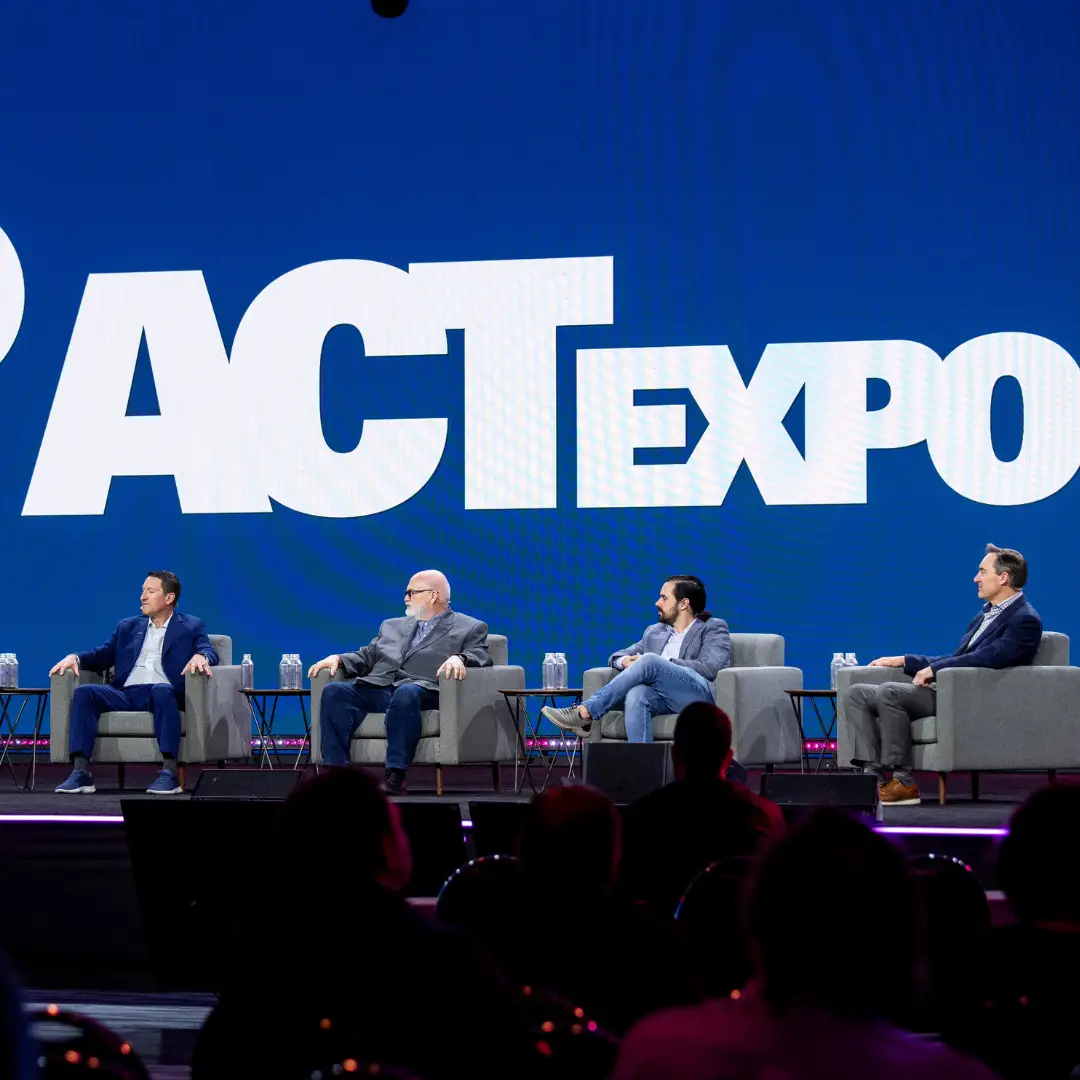
The ACT Expo has grown into one of the most important conferences in commercial transportation. The 2026 agenda puts the digital frontier center stage alongside clean transportation, with sessions on AI, automation, powertrain innovations, and fuel strategy content.

With diesel surpassing $5/gallon in March and long-term economic uncertainty, the key theme I keep hearing from fleets is that they need to do more with less. Sustainability-focused solutions often require a significant capital investment and total equipment overhaul, but strapped budgets and policy uncertainty haven’t created a strong environment for investing in fleet technology.
Heading into ACT 2026, fleets need to be more strategic than ever with their spending.
The Gap Nobody Is Talking About
The sustainability conversation in trucking almost always starts at the destination: electric fleets, zero-emission targets, hydrogen, etc. Those are notable goals worth planning toward, but they come with a price tag that’s hard to justify when costs are up. The key gap fleets are feeling at ACT this year is largely between the sustainability improvements they want to make and the capital available to make them.
For the majority of fleets running diesel, electrification or other major sustainability-focused moves are multi-year capital decisions, not 2026 line items. In this environment, locking in major capital commitments requires a level of financial confidence that’s hard to come by for most operations.
That doesn’t mean sustainability progress has to wait. The path toward improved sustainability and savings is much more achievable when you start with small, meaningful steps rather than holding out until you have the budget for a full overhaul.
What Sustainability Looks Like in 2026
For most diesel fleets, the most actionable sustainability move right now isn’t a new powertrain. It’s eliminating waste in the operation they already have.
Unnecessary idling burns between $3,500 and $6,000 per truck annually in fuel alone when diesel is over $5/gallon, and that’s before you factor in the accelerated wear on DPF systems, injectors, and engine hours. It produces zero revenue and is addressable today without a complete overhaul.
Jeff Lynch, our founder, put it simply:
“Sustainability and savings aren’t separate goals. You don’t need a new powertrain or a huge chunk of change to make progress on both. Every gallon of fuel saved is money back in your operation and 22lbs of emissions avoided.”
If you want to dive deeper, I recently covered why reducing emissions benefits every fleet.
What to Watch at ACT This Year
ACT is a big show. With more than 500 exhibitors, 12,000 attendees, and four days of sessions, it’s easy to spend the whole week in demos and leave without a clear next step. With everything pulling at your budget and attention right now, here’s how I’d approach it.
- Start with your biggest internal cost driver, not the flashiest booth. Before you walk in, know the one or two operational problems causing headaches every day. Fuel waste, unplanned downtime, maintenance inefficiency… whatever it is, use that as your filter. If a solution doesn’t address it directly, move on.
- Ask about near-term applicability. A lot of what you’ll see at ACT is genuinely exciting technology that’s two to five years from being operationally viable at scale for most fleets. There’s nothing wrong with that, but it’s worth asking vendors specifically what their solution looks like for a diesel fleet needing to see improvements today, not in five years.
- Evaluate integration before features. A recurring regret I’m hearing from fleet leaders after investing in a new technology is that it didn’t integrate smoothly with their current technology and equipment. Ask how a solution connects to your existing telematics, maintenance workflows, and dive into its reporting capabilities. The answer tells you more than the demo does.
Start Now, Scale Later
Sustainability isn’t an all-or-nothing decision. Reducing waste now builds savings and puts your fleet in a stronger operational position. The ACT Expo showcases the industry’s future technology, and making small steps now is key to getting your fleet ready for whatever comes next.