
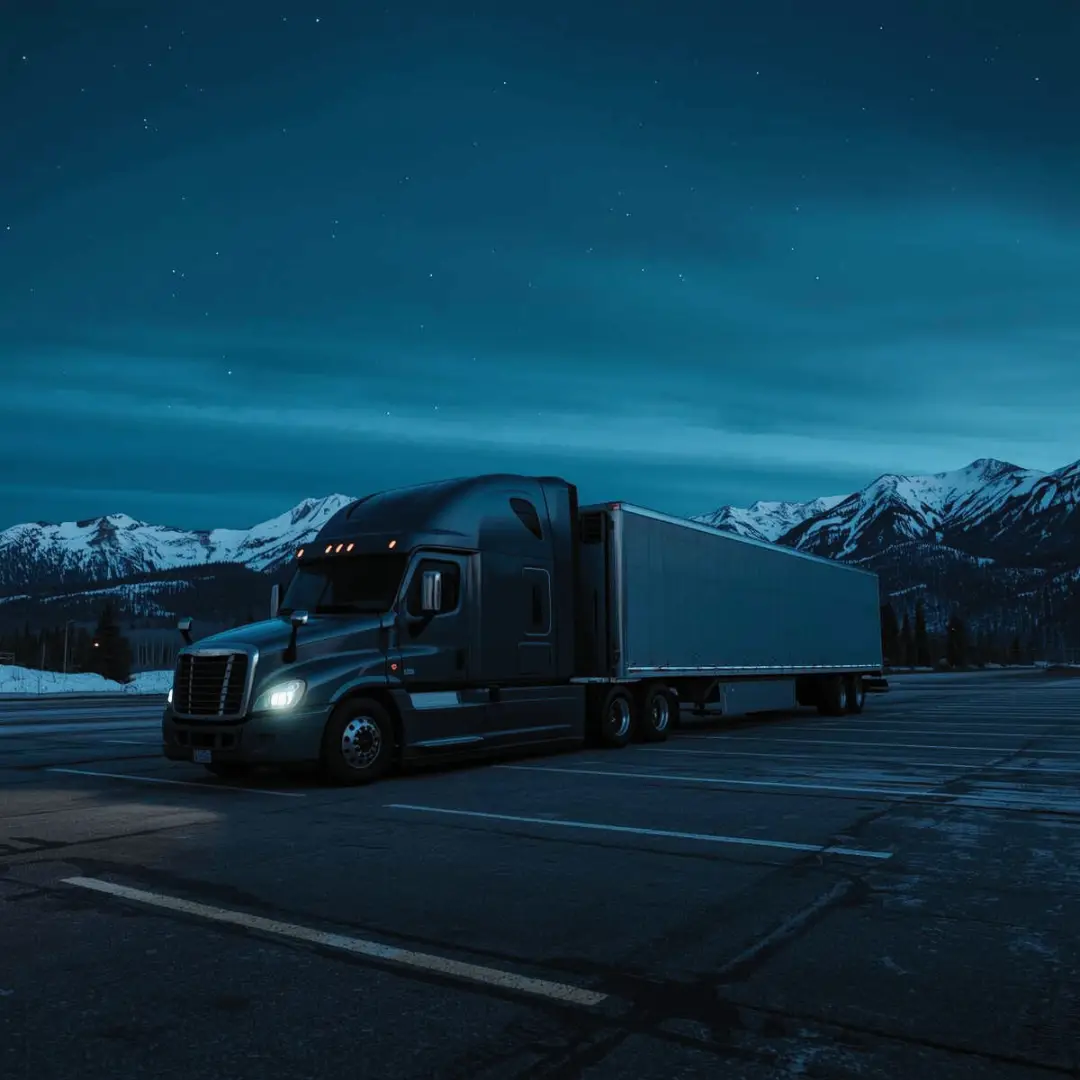
Fuel Gelling in the Freezing Cold
When sub-zero temperatures hit, the physical reality of extreme cold eventually catches up to even the best-prepared fleets. You stay diligent with fuel additives and specialized winter blends, but treated fuel can still reach a point where the paraffin wax naturally found in diesel begins to crystallize. When a truck sits for a day or more in a deep freeze, those wax crystals grow until they clog the filters and starve the engine.
To prevent fuel gelling with total reliability, you need a way to keep the system moving while the yard is quiet. Adding an automated layer of protection creates a safety net that ensures your trucks are ready to roll, regardless of how long they have been parked in the cold.
The $1,000 Morning Call
We’ve all seen it: a driver is dispatched for a critical load, but the truck won’t turn over. By the time you realize the fuel has gelled, the financial damage is already done.
- The Immediate Hit: Between towing fees and lost revenue, a single gelled truck can cost your fleet $1,000 per day.
- The Budget Drain: When 30% of your annual maintenance budget is tied up in preventable maintenance issues, your margins disappear unnecessarily.
- The Reputation Risk: Missing a delivery window because of the weather is a tough conversation to have with a customer who expects reliability.
A Reliable Mechanical Safety Net
Traditional winterization often relies on additives or block heaters to prevent fuel gelling. Some fleets instruct drivers to idle all night, but that’s an expensive solution that wastes fuel and beats up your engines.
While these methods are tried and true, they still sometimes leave drivers stranded on the side of the road from a no-start. Even additives have a freezing point, and on rural roads, drivers struggle to find shore power for bunk heaters.
Automatic fuel gelling protection provides a mechanical safeguard that works independently of the driver. Idle Smart’s Cold Start Guard™ is a specialized solution that monitors the truck and intervenes only when needed to keep the system warm and the fuel fluid. If the temperature drops toward a dangerous threshold, the system automatically runs the engine just long enough to circulate and warm the fuel. It’s more affordable and efficient than idling all night, doesn’t require drivers to do a thing, and doesn’t rely on shore power.
Securing Your Winter Uptime
Adding Cold Start Guard™ to your winter strategy provides a level of certainty that current winterization processes cannot match. By automatically preventing fuel gelling, you gain several critical advantages:
- Eliminate Towing and Roadside Fees: Stop the bleed of non-recoverable expenses. By ensuring the truck components stay warm enough to run, you avoid the cost of the tow and all the associated maintenance costs.
- Improve Driver Satisfaction: CCJ’s 2025 What Drivers Want Report confirms that drivers are highly motivated by money, so providing them with a truck that starts reliably reduces the stress and financial hit of downtime to the driver and gets them home on time.
- Guaranteed Starts: Even treated fuel reaches a point when it starts to gel. Cold Start Guard™ acts as the ultimate safety net, keeping your equipment ready to roll even when conditions exceed the limits of your fuel additives.
- Build Stronger Customer Trust: Reliability is your best sales tool. When your fleet stays on schedule despite extreme weather, you prove to your customers that their critical loads are in the hands of a professional operation they can trust.
The Bottom Line
Winter should not be an unpredictable liability for your fleet. By integrating automated safeguards into your winterization strategy, you take control of the variables that lead to downtime and protect your profitability from every deep freeze of the season.
As Chris Kustyn, Fleet Manager at Page Transportation, puts it,
“Idle Smart not only cuts down on unnecessary engine hours, but it has also eliminated recurring labor costs from jump-starting trucks and replacing dead batteries. Trucks that sit for extended periods are now automatically maintained and ready to go, which keeps our operations running smoothly and efficiently.
We highly recommend Idle Smart to any fleet looking to improve uptime, reduce costs, and gain better control over vehicle readiness.”
Is your fleet ready for the next deep freeze?
Vice President of Sales
With three decades of firsthand experience, from the dispatch desk to the owner’s office, Steve knows exactly what it takes to keep a fleet moving. He’s passionate about innovative tools that take the hassle out of your day-to-day operations. Steve believes that in this tight-knit community, success is simple: you show up, you deliver results, and you always keep your promises.
Contact Us
Let us know how we can reach you, and we’ll be in contact.
"*" indicates required fields