
Fleet Tech in 2026
Walk any major trucking industry trade show right now and you’ll see the same thing: more technology than any fleet could evaluate in a year, all of it promising to solve your biggest problems. Yet somehow, for tanker trucks, the question of what technology actually fits their operation keeps getting harder to answer.
That’s worth sitting with for a minute. The market has more options than ever. Specialized fleets are actively looking for ways to optimize operations and get more out of their existing equipment. So why is the gap between “available technology” and “technology that actually works for our fleet” still so wide?
Bulk Haulers Have a Different Set of Constraints
Most commercial fleet technology is built for the largest addressable market: general truckload freight. This means that tanker fleets, which operate under a fundamentally different regulatory and operational framework, often evaluate solutions that weren’t designed for them.
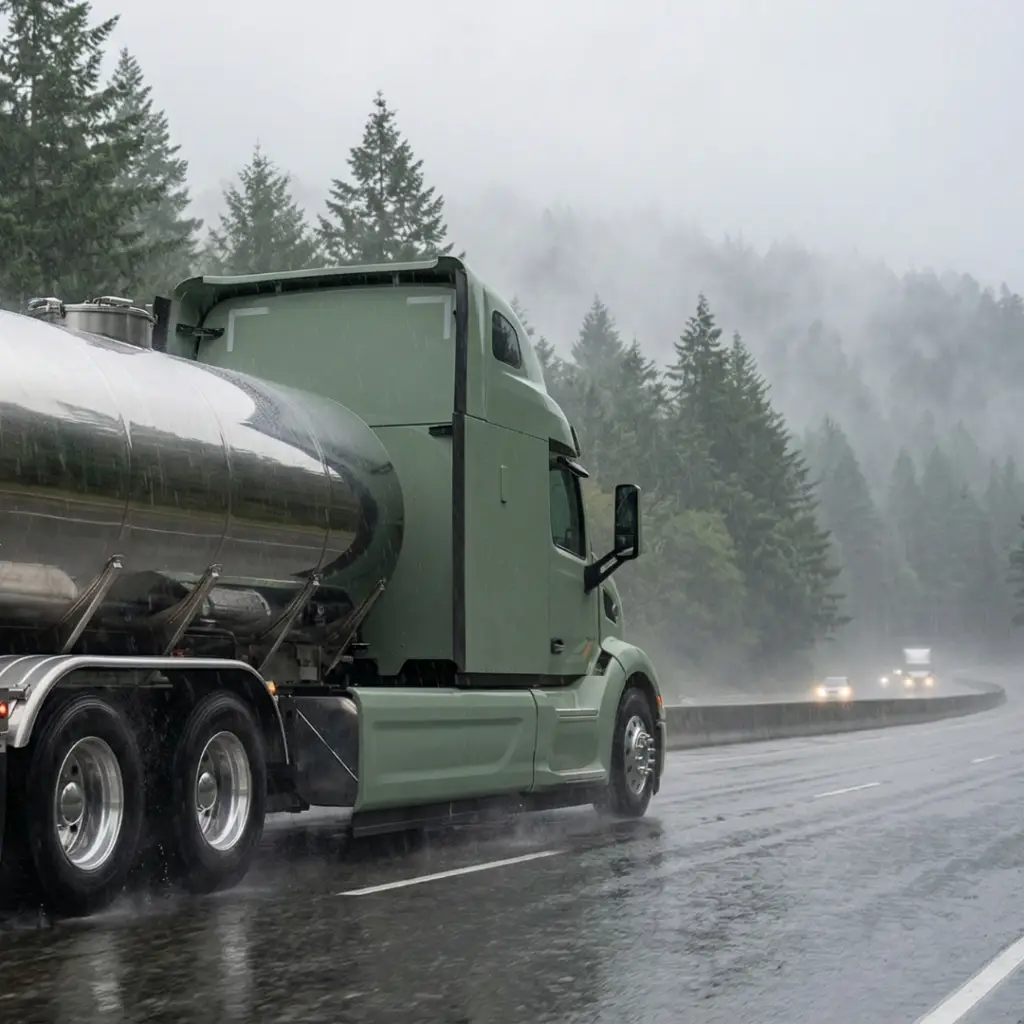
Tankers operate under DOT and PHMSA regulations that reach into equipment design, cargo handling, driver qualification, and documentation in ways general freight never has to think about. Every tank configuration carries its own standards depending on what it hauls. Drivers need endorsements specific to the materials they carry. Loading, transit, and delivery each carry their own documentation requirements that don’t exist in a dry van operation.
That specificity shapes every operational decision, including which technology fleets can deploy and how. A tool designed around general freight is perfect for a standard dry van operation, but creates friction in a tanker environment.
The Product/Vendor Gap
At TMC this year, we heard fleet leaders say that too many technology companies understand what their products do, but don’t understand how they apply to actually running a fleet. That’s not a new frustration, but in a margin-compressed environment where a bad technology decision costs money and time, it matters more than ever before.
The gap between what a product actually does in a day-to-day environment and how the vendor believes it should work is structural. Solutions designed for the general truckload market are often designed by those with deep experience in that environment. They know the workflows, pain points, and key goals, but they miss that these details often differ for specialized fleets.
They don’t understand the details of how a fuel hauler’s morning looks different from a chemical tanker’s, or why a documentation requirement that seems minor in a general freight context is actually non-negotiable in a regulated cargo environment. These missing details lead to all-day, every-day frustration that adds up fast and negatively affects morale.
Though there’s a fair amount of specialization in our industry, I don’t expect a whole niche for tankers to appear suddenly, but that doesn’t make the market unservable. In my experience with current solutions in the market, fleets can find relief through customization. When fleets can adjust settings and tailor the product or its functionality to meet their needs, they see stronger alignment between expectations and reality, and the relationship between the fleet and the technology provider is infinitely better for it.
What a Better Evaluation Actually Looks Like
The tank fleets I’ve seen navigate this well tend to evaluate technology very carefully. They slow down earlier in the process and ask different questions.
- Start with a specific problem, not the vendor’s solution. Know exactly what problems you’re trying to solve before you sit through a single demo. Vague goals produce vague outcomes and create room for misaligned expectations.
- Ask how the solution handles your specific operational context. Some solutions are highly adaptable and may work for specialized operations. The key to identifying them is raising the right questions: Ask about customization options, request stories or case studies from similar fleets to help you understand how it applies specifically to your operation, and inquire about driver adoption and involvement. If you get generic answers, it’s probably not the best solution for your operations.
- Evaluate the support model as carefully as the product. In a regulated environment, what happens when something goes wrong is often more important than how it performs when everything is fine. Ask about ongoing support: who picks up the phone, and when? Ask what escalation looks like, and if applicable, how they’ve handled compliance-related issues for specialized operations specifically.
Choosing The Righ Tech
Specialized fleets aren’t impossible to serve. They just require both fleets and technology providers to think a little differently. The path to the right solution may look different, but it’s a shorter path than most think when you ask the right questions up front.
If you’re looking at new technology this year and want to talk through the evaluation process for a bulk transport operation, our team will be at NTTC in Baltimore this April.
Can’t make it to Baltimore?